

A World Obsessed with Recognition
In an age of selfies, viral content, and influencer culture, it seems everyone is seeking their fifteen minutes of fame. Coined by artist Andy Warhol in the 1960s, the phrase predicted a future where fame would be fleeting—but accessible to all. Fast forward to today, and that future is now our reality. From TikTok dances to podcast appearances, fame has never been so democratised—or so desired.
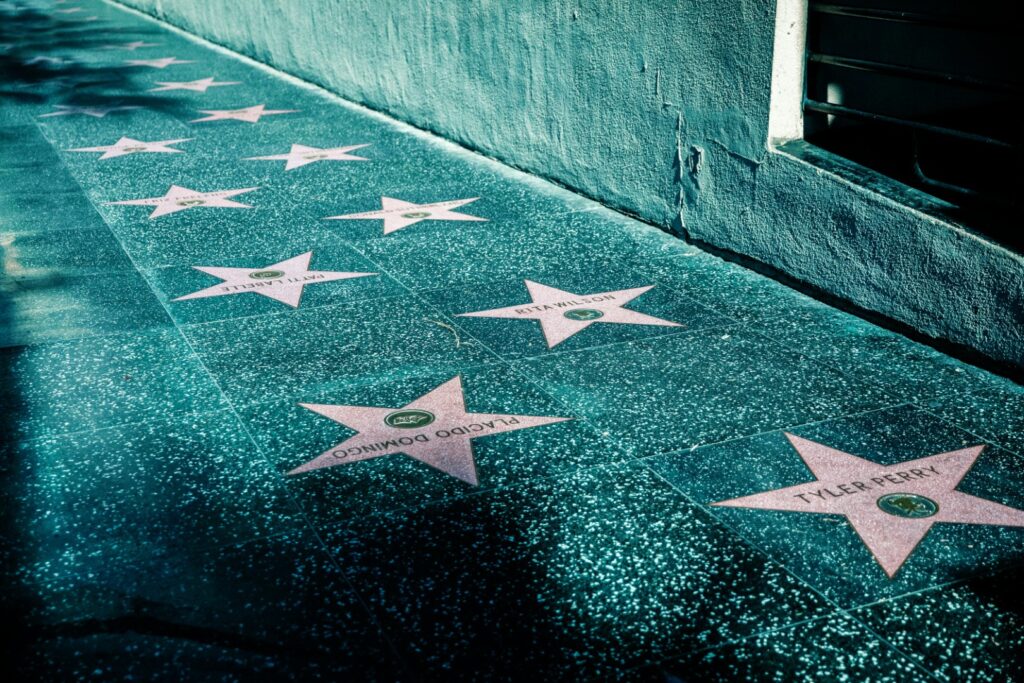
But why do so many people crave it? And what makes this need for visibility more prominent now than in the past? Let’s explore the reasons behind our cultural fixation on becoming famous, even if just for a moment.
The Allure of Attention: Why People Want to Be Famous
Fame, for many, represents validation. Being known and admired gives people a sense of worth, success, and importance. In a competitive and often overwhelming world, recognition from strangers can feel like proof that we matter.
Psychologists suggest that the desire for fifteen minutes of fame is closely linked to self-esteem and identity. When traditional markers of success—like home ownership or a stable career—feel out of reach, fame becomes a new symbol of “making it.” It’s not just about being known, either. It’s about being seen, heard, and remembered.
There’s also an economic incentive. Social media fame can translate into real income through sponsorships, brand deals, and merchandise. For younger generations, becoming a YouTuber or influencer isn’t just a hobby—it’s a career goal.
Fifteen Minutes for Everyone: Technology Changed the Game
In the past, fame was reserved for a select few—film stars, musicians, and athletes. It was largely gatekept by the media and entertainment industries. Today, anyone with a smartphone can become famous, even if only temporarily.
Social media platforms have made fame scalable and accessible. A viral tweet or Instagram reel can catapult an unknown person into the public eye overnight and get them their fifteen minutes of fame. TikTok, in particular, thrives on this fleeting fame—highlighting trends, creators, and moments that often burn bright and fade fast.
Reality TV has also played a huge role in normalising “everyday fame.” Shows like Love Island or The Apprentice create instant celebrities out of regular people. Their fame might not last forever, but the exposure often leads to lucrative opportunities.
Validation in the Digital Age: Likes, Shares and Ego
Today’s fame isn’t just about TV appearances or magazine covers—it’s about engagement. The number of likes, comments, and followers has become a kind of social currency. For many, going viral is less about the message and more about the numbers.
This can have a profound psychological impact. Studies show that social media can trigger dopamine responses similar to those caused by drugs or gambling. The pursuit of digital validation can become addictive—driving people to create increasingly outrageous or attention-seeking content.
In short, fame today is often shallow but instantly gratifying—and that can be enough to fuel the desire for it.
Why It’s More Common Now Than Ever
Several cultural shifts have made the fifteen minutes of fame more common:
- Social Media Algorithms: Platforms reward engagement, often prioritising controversial or sensational content. This encourages extreme behaviour or “shock value” content that can go viral quickly.
- Cost of Living Crisis & Career Uncertainty: With traditional job security on the decline, younger people are seeking alternative ways to make money—and fame offers both visibility and opportunity.
- Blurring of Public & Private Life: We now live in an era where sharing your life is normalised. From daily vlogs to livestreams, personal content is now part of public entertainment.
Fame Isn’t Always What It Seems
Despite the glamour, fame can have a darker side. Many who achieve viral success report high levels of anxiety, pressure, and burnout. There’s also the danger of being “cancelled” or criticised publicly—something that’s difficult to recover from emotionally or reputationally.
Additionally, fame can be fickle. Today’s sensation is tomorrow’s forgotten face. With the spotlight constantly shifting, many people find themselves chasing fame just to stay relevant—trapped in a cycle of content creation and self-promotion.
Chasing the Spotlight or Losing Yourself in It?
Our collective obsession with fame is a reflection of deeper societal needs—for recognition, validation, and a sense of purpose. While the internet has made achieving fifteen minutes of fame easier than ever, it’s also changed what fame looks like, feels like, and costs.
In the end, it’s worth asking: is the fifteen minutes of fame we’re chasing truly fulfilling—or just a digital illusion?
 could find and potentially speak to. I was amazed at the amount of profiles there were for famous people – and by the looks of it MOST of them (if you can find out the real ones from the fakes) are actually by the real person – not some agent or staff member.